 Apliko
Make the slow parts fast again.
Refactoring slow systems, database tuning, and zero-downtime migrations. Pick the symptom that matches your system below — every card links to the exact approach and the outcomes we deliver.
The difference
A slow, unwatched system vs. a system we keep fast
Most teams only learn their site got slow when a customer tells them. Here is what changes when performance is fixed properly and watched continuously.
Without us — slow & blind
- Reports and pages crawl — users wait 10+ seconds and bounce.
- No monitoring — you find out it broke from an angry customer, not a dashboard.
- Slowdown creeps back as data grows — the fix never lasts.
- Server bills climb — throwing hardware at the symptom, not the cause.
- Every incident is a fire drill — no history, no alerting, no plan.
With us & Ilaro SysWatch
- Pages and reports respond in under a second — users stay.
- 24/7 monitoring of servers, queries and uptime — you know first.
- Regressions caught early — the fix holds as the system grows.
- Lower infrastructure cost — we fix the cause, not rent more servers.
- Incidents logged with history and alerts — calm response, not chaos.
Results, not promises
Deployments we've shipped
Client names under NDA, but the numbers are real — from major refactors to smaller performance fixes.
Major deployments
Internal CRM/ERP
An aging, monolithic in-house CRM was taking up to 15 seconds to load financial reports due to severe database locks. We refactored the critical controllers and drastically optimized the SQL queries and indexing — report time dropped to 0.8 seconds.
Mobile backend (Go)
A rapidly growing mobile app was crashing under traffic spikes because its old framework couldn't handle concurrency. We rewrote the heaviest microservices in Go with a robust memory cache — server costs dropped by 60%.
E-commerce, edge delivery
A media-heavy platform had abysmal load times abroad, hurting conversion. We refactored the asset pipeline and deployed an edge CDN architecture — global TTFB dropped by 80%.
Smaller fixes
Business website tune-up
Image, loading and Core Web Vitals optimization on an existing site — no rebuild from scratch, gains visible right away.
News portal tune-up
Query and cache optimization for a high-traffic reader portal — article pages load noticeably faster under load.
Stock photo site optimization
Slimmed-down image pipeline and tuned caching for a site with thousands of thumbnails — faster catalog browsing, lower transfer usage.
The Standard Agency Model
- Demands a 100% "rewrite from scratch," halting your business operations for months.
- Optimizes the code once, pushes it to production, and completely disappears.
- Leaves you alone with database bottlenecks when your user base doubles.
The Apliko Partnership
- We use the "Strangler Fig" pattern: gradually replacing old code while your app stays live.
- We continually monitor your server logs and DB queries to catch slowdowns early.
- We act as your dedicated infrastructure team, scaling CDNs and servers as you grow.
Pricing
How much does it cost?
A refactor is harder to price upfront than a website — the exact scope only becomes clear after an audit. Below is an entry point and typical engagements.
Business website tune-up
Targeted performance fixes on an existing site — images, loading, Core Web Vitals — no rebuild from scratch.
Technical audit
Profiling code, queries and infrastructure — a concrete list of bottlenecks and recommendations, no commitment.
Targeted refactoring
We fix the diagnosed bottleneck — database queries, a slow microservice, or a specific module.
Zero-downtime migration
Strangler Fig pattern — gradually replacing old code while the app stays live.
CDN & cache configuration
Deploying edge CDN, cache rules and origin shielding to speed up global content delivery.
Monitoring & maintenance (Ilaro SysWatch)
24/7 monitoring of servers, queries and uptime, performance tuning and vulnerability patching.
Net prices, indicative only. A technical audit is usually the first step — it's what lets us quote the rest of the scope.
Our Refactoring Lifecycle
Turning ageing systems into modern assets
We don't believe in blindly rewriting everything from scratch. We take a strategic approach to eliminate technical debt while keeping your business running continuously.
Technical Audit
We deeply profile your existing codebase and infrastructure to identify bottlenecks, security flaws, and the root causes of technical debt.
Database Mastery
Before touching the app logic, we optimize your SQL queries, introduce proper indexing, and restructure tables to unlock immediate speed gains.
Smart Refactoring
We modularize ageing monoliths or extract heavy tasks into high-performance microservices (using Golang).
Edge Delivery
We deploy modern Content Delivery Networks (CDNs) and advanced caching layers (Redis) to deliver a lightning-fast experience globally.
Continuous Evolution
Performance is a moving target. We actively monitor server health, patch vulnerabilities, and tune queries as your traffic grows month over month.
Common situations
Which one sounds like you?
Each card is a real performance problem we solve — click through for the full approach and outcomes.
Our old internal system is grinding to a halt
Targeted refactoring of the controllers and queries that actually hurt — instead of a risky full rewrite.
See how we fix itOur API crashes when traffic spikes — should we rewrite in Go?
Identify the hottest microservices, rewrite only those in Go, and add a memory cache that absorbs spikes.
See how we fix itOur site is slow for users abroad — conversions are tanking
Drop TTFB by 80% globally and stop watching conversions fall off in markets you actually want.
See how we fix itThe app is slow — but the database CPU is the one on fire
Most "the app is slow" problems are really database problems. We profile the queries, add the indexes, and restructure the tables.
See how we fix itWe are running an unsupported framework and security is a real risk
Staged framework migrations with security patching and zero-downtime cutovers.
See how we fix itWe need to refactor — but we cannot afford any downtime
Refactor in production safely by routing traffic piece by piece — users only notice that things got faster.
See how we fix itOur agency says we should rewrite from scratch — is that really needed?
Audit-driven, targeted refactoring delivers most of the gain at a fraction of the cost and risk.
See how we fix itKeep the gains
We make it fast — Ilaro SysWatch keeps it that way
A refactor fixes the problem once. Without monitoring, the slowdown quietly creeps back as your data grows and traffic shifts — and you only find out when a customer complains.
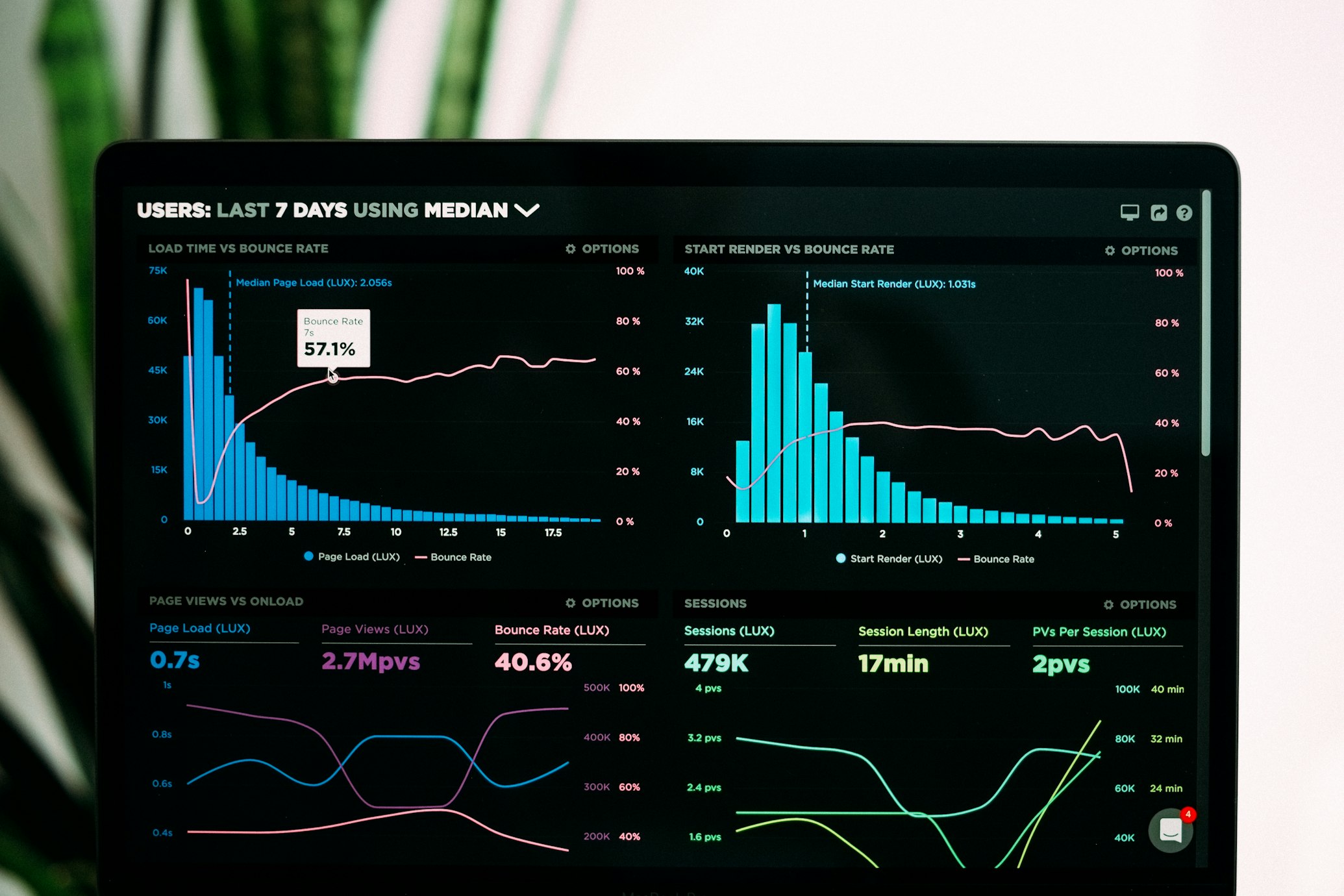
Ilaro SysWatch watches your servers, database queries and uptime around the clock, raises an incident the moment something slips, and keeps a public status page honest. You catch regressions before users do.
- Catch regressions early: alerts fire before a slow query becomes an outage.
- One dashboard: servers, logs and incidents in a single place — no scattered tooling.
- Save time & money: the performance you paid for stays put, instead of eroding month by month.
Servers
DB queries
Uptime
24/7 monitoring
Ilaro SysWatch
One dashboard, always watching
Incident alerts
Status page
When is it time to refactor?
Software rots over time if left unmaintained. If your development team spends more time fixing bugs than building new features, you are paying the high price of technical debt.
- Development is crawling: Adding a simple feature takes weeks because the codebase is too fragile, undocumented, and interconnected.
- Scaling crashes the system: Your servers go down during traffic spikes, and unoptimized database queries are causing frequent timeouts.
- Security vulnerabilities: You are relying on outdated, unsupported frameworks that no longer receive security patches, putting user data at risk.
Security
How we secure access to your infrastructure
Refactoring and migration mean access to your production database and servers. We treat that with the same care you treat your own customers' data.
Access control
Production access through named accounts and roles, never shared passwords — every change has an author.
Encrypted backup before we start
Before we touch the production database, we take a full, encrypted backup — you have a rollback point at every stage of the migration.
Isolated staging environment
We test refactoring and migration on a copy of the production environment, isolated from real traffic and real customer data.
Data processing agreement
We sign a standard Data Processing Agreement (DPA) before we ever get access to your production infrastructure.
Frequently Asked Questions
Common questions about rewriting code, database optimization, and ongoing maintenance.
Will my app experience downtime during the refactoring process?
No. We utilize the "Strangler Fig" architecture pattern. This means we build the new, optimized code alongside your existing system, slowly routing traffic to the new infrastructure piece by piece. Your users won't notice anything except that the app suddenly gets much faster.
Should we rewrite the app from scratch or just refactor it?
A full rewrite from scratch is incredibly risky and expensive—it halts your ability to release new features for months. We strongly advocate for targeted refactoring. We audit your codebase to find the specific bottlenecks (e.g., bad database queries or a slow microservice) and fix only what's broken to give you the highest ROI.
Why do you recommend technologies like Golang or CDNs?
Certain tasks require specific tools. While PHP or Node.js are great for standard web tasks, Golang (Go) is unmatched for highly concurrent backend processes and microservices. CDNs (Content Delivery Networks) are essential for delivering heavy assets (images, videos) to users worldwide instantly. We deploy these to solve specific scaling hurdles.
What does your long-term maintenance entail after refactoring?
Performance degrades over time as databases grow and user behaviors change. Our SLA (Service Level Agreement) means we don't just leave after fixing the code. We continually monitor your application logs, optimize new SQL queries, adjust auto-scaling server rules, and apply necessary security patches to keep your app healthy.
Let's start working together
Drop us a message. We will profile your system, find the real bottlenecks, and prepare a fixed-scope plan to make it fast — and keep it fast.